Subscribe to the Self-Scientist Newsletter
Uniquely Bright content directly to your inbox.

Issue #023: Raise Your Vagal Tone to Feel Less Stressed and Sleep Better
One of the most overlooked ways to improve stress, sleep, and resilience is by strengthening something called vagal tone.
Most people have never heard of it.
But it may help explain why some nervous systems struggle to fully power down and recover after stress.
I’ve been a fan of Polyvagal Theory for years. Understanding the state of our nervous systems is so important when it comes to stress, sleep, emotional regulation, and mood.
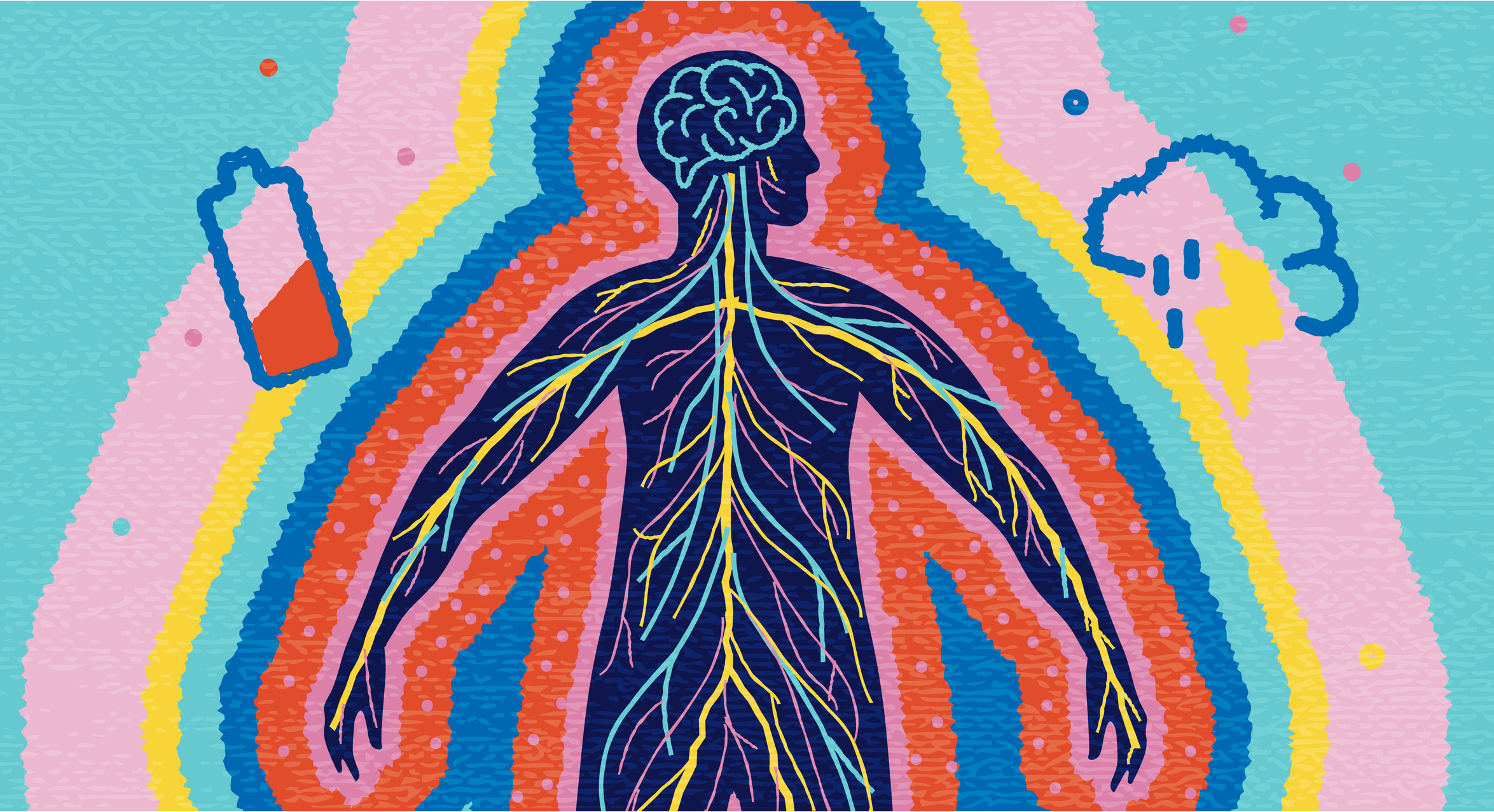
The 3 Nervous System Zones
To greatly simplify it:
Green Zone: “Rest and Digest”
When our nervous system is regulated, we tend to feel:
• calm
• emotionally regulated
• socially connected
• ready to learn
• able to think clearly
• able to breathe deeply
• able to rest and sleep
Red Zone: Fight or Flight
When stress ramps up, we may experience:
• anxiety
• hypervigilance
• irritability
• overwhelm
• racing thoughts
• tension
• urgency
• people-pleasing or appeasing to avoid conflict
Blue Zone: Shutdown / Freeze
After prolonged stress or overwhelm, some people shift into:
• shutdown
• numbness
• exhaustion
• low motivation
• withdrawal
• freeze or collapse
• low mood
Like a turtle pulling into its shell.
What is the Vagus Nerve?
The vagus nerve is one of the major nerves involved in regulating this system. It runs from the brainstem into many organs throughout the body, including the heart, lungs, and digestive system.
A healthy vagal system acts like a brake pedal on stress.
It helps us calm down after stress and feel safe enough for:
• connection
• digestion
• deep sleep
• creativity
• flexibility
• resilience
• learning
When nervous system regulation is strained or vagal tone is lower, people may feel more stuck in survival mode or defensive mode.
Signs Your Nervous System May Be Stuck in Stress Mode
- trouble winding down at night
- feeling “tired but wired”
- chronic stress or tension
- shallow breathing
- anxiety or hypervigilance
- emotional flooding
- difficulty recovering after stress
- insomnia or restless sleep
- shutdown or numbness after overwhelm
- digestive issues during stress

One Important Insight About Chronic Stress
One important insight from nervous system research is this:
The issue is often not stress alone.
It’s whether the nervous system is able to recover from stress effectively.
For some people, chronic activation may contribute to:
• difficulty sleeping
• feeling “tired but wired”
• emotional flooding
• chronic tension
• anxiety
• difficulty relaxing
• feeling stuck “on”
A nervous system that rarely experiences enough safety or recovery may have a harder time accessing:
• deep sleep
• clear thinking
• creativity
• social connection
• emotional flexibility
And chronic stress physiology can take a toll over time — mentally, emotionally, cognitively, relationally, and physically.
The Encouraging News: Nervous System Flexibility Appears to Be Trainable
You can strengthen vagal tone through repeated practice.
This is one reason I’m so interested in the idea of psychological strength training and facilitated practice. We can actually help train the nervous system to recover more effectively.
9 Evidence-Supported Ways to Strengthen Vagal Tone
1. Slow Exhale Breathing
Try inhaling for 4 seconds and exhaling for 6–8 seconds for 2–5 minutes.
2. Aerobic Exercise
Walking, cycling, swimming, dancing, or cardio help train the nervous system to recover more efficiently.
3. Prioritize Sleep
A sleep-deprived nervous system has a much harder time regulating stress.
4. Humming, Singing, or Chanting
The vagus nerve connects with the vocal cords and throat. Gentle vocal vibration may help support regulation.
5. Safe Social Connection
Supportive relationships and co-regulation help the nervous system feel safe enough to settle.
6. Mindfulness or Meditation
Practices that slow the body and increase awareness can help shift the nervous system out of chronic activation.
7. Time in Nature
Nature often helps the nervous system downshift out of vigilance and overstimulation.
8. Reduce Chronic Overload
Sometimes the nervous system doesn’t need more coping skills. It needs less relentless stress input.
9. Listen to Music That Helps Your Nervous System Exhale
Gentle, calming music can help the body slow down and settle. Many people notice their breathing softening, shoulders dropping, and nervous system relaxing when listening to music that feels emotionally regulating or safe.
What’s the Payoff?
With stronger vagal tone and a more regulated nervous system, people often experience:
• falling asleep more easily
• recovering faster after stressful moments
• less emotional flooding
• more patience and flexibility
• deeper breathing
• clearer thinking
• feeling calmer in the body
• improved focus and resilience
• feeling more connected to other people
• more access to joy, creativity, and meaning
Hit reply and let me know one tiny step you’ll be taking this week to raise your vagal tone. Just pick from the list and let me know!
Subscribe to the Newsletter
Want more Uniquely Bright content?
Get the newsletter delivered to your inbox every week.