Subscribe to the Self-Scientist Newsletter
Uniquely Bright content directly to your inbox.

Issue #028: The Avoidance Trap
Support can both protect and imprison the ones we love.
Most parents of bright, anxious, neurodivergent tweens, teens, and young adults live somewhere inside that paradox.
When our young people feel fearful or overwhelmed by a situation, our natural reaction is often to remove the stressor.
We cancel the hard thing.
We step in to handle the details.
We carry more of the load so the day doesn’t fall apart.
Those choices are understandable and sometimes necessary. They come from love.
But over time, they can add up in a way we don’t intend:
Life gets smaller and stalled, instead of easier.
I call this The Avoidance Trap.
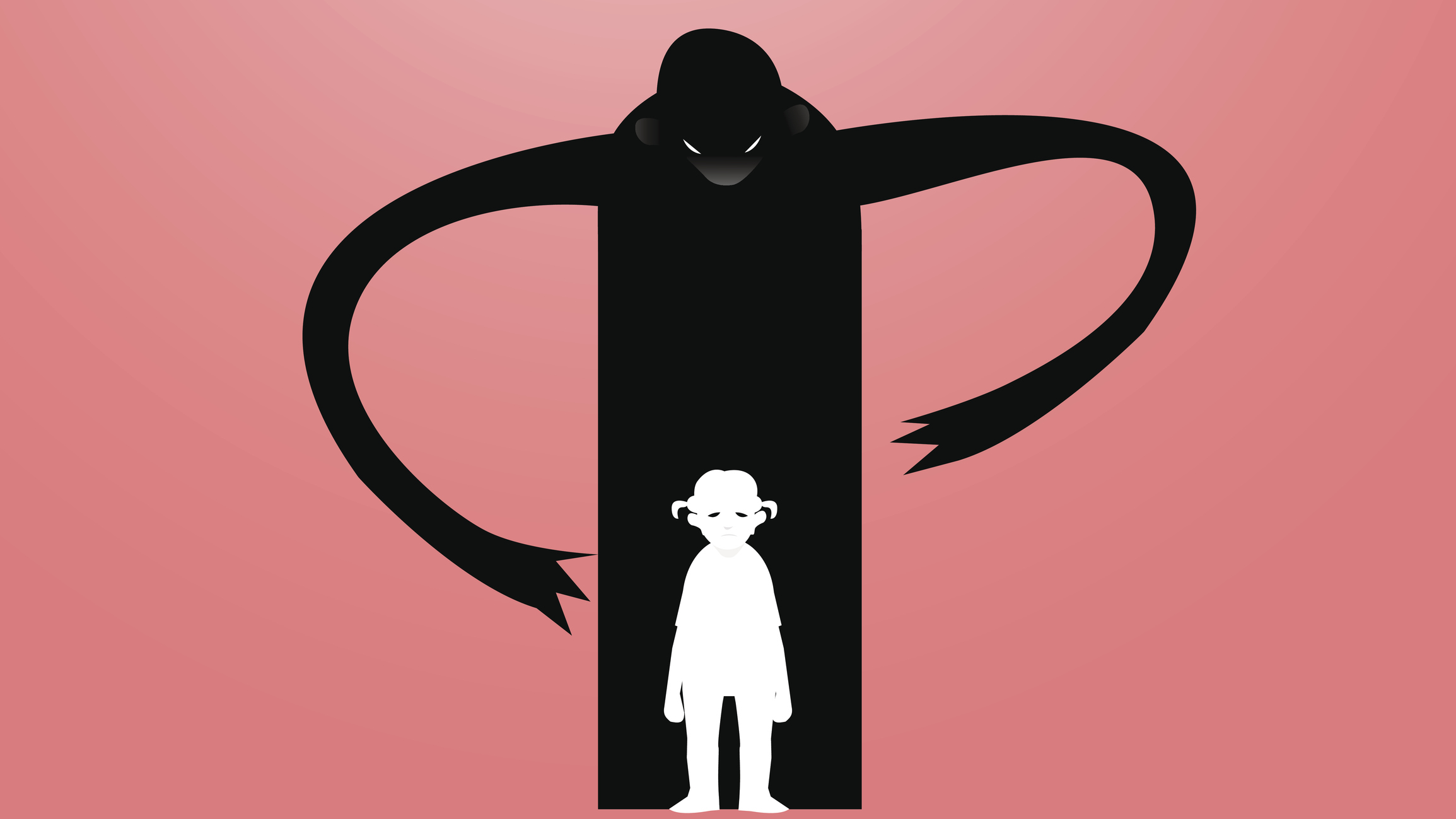
When Fear Starts Making Family Decisions
A family I once worked with had planned a weekend away near Seattle.
As often happens in the summer, a wildfire broke out in the mountains.
But it was many miles from their destination.
The teen felt very scared about smoke inhalation during the trip, so the family decided not to go.
Canceling gave everyone immediate relief, but they had regrets.
How could this go differently next time?
They could have borrowed a phrase from improv:
“Yes, and…”
Yes, I know this feels scary.
And the fire is many miles away.
And the air quality still looks good.
And you have options:
- You can go and spend most of the time inside the cabin.
- You can go and wear a mask outside.
- You can go and become the family’s “air quality monitor,” checking the apps and letting everyone know if conditions change.
The goal wasn’t to tell the teen there was nothing to worry about.
It wasn’t to force them into the scariest version of the experience.
It was to acknowledge the fear while looking for an entryway into moving forward bravely.
We can be scared of something and still find a way, however small, to move toward it.
When we avoid or remove the stressor, instead of dialing it down, the child doesn’t have the opportunity to stay in the struggle and work through it.
How the Avoidance Trap Shows Up
Here’s how it tends to unfold in families I work with.
A young person is overwhelmed:
- School refusal or chronic lateness.
- Shutting down at home.
- Intense anxiety around seemingly small tasks.
- Resistance to new or uncertain situations.
Parents see how much their tween, teen, or young adult is suffering and think:
“They can’t handle one more thing.”
“We just need to get through this week.”
“If I remove this stressor, maybe the anxiety will settle.”
So they do what caring parents do:
They drop the expectation for family dinners.
They take over emails and phone calls with teachers, counselors, or professors.
They reduce or remove chores.
They agree to skip most social events “until things calm down.”
In the short term, there are fewer meltdowns.
Less conflict.
Everyone feels a little more stable.
But six months or a year later, many parents describe a similar picture:
“We can’t get our teen or young adult to join any family activity.”
“School or college is technically happening, but everything depends on us.”
“Our young person avoids almost everything that feels demanding, and we’re assisting with most of daily life.”
Support has slowly turned into a lifestyle built around avoiding life.
That’s The Avoidance Trap.
Why Lowering Demands Needs to Be Surgical
For years now, many of you have heard the advice to “lower demands.”
I’m not here to tell you that is wrong.
I’m here to help you decide:
Which demands should we lower?
Which should we keep?
And how do we bring life back in without sending anyone over the edge?
Lowering or raising demands is most powerful when it’s surgical:
- Removing or softening demands that repeatedly send your young person into shutdown or panic.
- Preserving small, manageable challenges that allow them to experience competence.
- Having a plan for slowly reintroducing certain demands as capacity grows.
When “lower demands” quietly becomes “remove almost everything difficult,” it doesn’t just protect.
It can stall development and shrink confidence.
It feels intuitive to be helpful.
Of course we step in.
Of course we soften.
But help can lead to avoidance.
Avoidance can lead to lagging skills and self-doubt.
Lowering demands doesn’t have to be all or nothing.
When Lowering Demands Starts Shrinking Life
A mom once asked me how to get her teen back to the dinner table for a family meal.
Her daughter had been experiencing chronic stress, and the family had been advised to drop all demands.
At first, that probably provided some needed relief.
But gradually, her world got smaller and smaller.
She stopped coming to family dinners.
Eventually, she was eating every meal alone, in front of her computer, in her bedroom.
We discussed the distinction we’re talking about here:
Being very selective about which demands are dropped.
Not removing every point of contact with family life.
The family had a collaborative conversation.
Rather than demanding that she suddenly attend every meal, they restored one family dinner a week.
One manageable place to begin.
Then, over time, they added more.
The answer wasn’t:
“You’re old enough. Come downstairs and eat with us.”
And it wasn’t:
“You never have to join us again.”
It was supported participation.
A small entryway back into family life.
A Test I REALLY Didn’t Want to Take
Recently, I had to have an MRI.
I tend to be claustrophobic in small spaces.
The thought of lying in a narrow tube paralyzed me with fear.
Cue the Jaws movie music.
I could literally feel the fight or flight mobilization in my body, just thinking about it.
My first reaction was very human:
“Crap, I really don’t want to do this.”
At the same time, another truth was standing right beside it:
“This test could help save my life.”
I HAD to find a way to do it.
I looked for an entryway, a way to step toward the fear without overwhelming myself.
I used two tools.
I CBT’d Myself (CBT: Cognitive Behavioral Therapy)
As a therapist, I knew I could probably desensitize my fear by watching videos of MRI exams on YouTube.
The first time, I was highly triggered almost immediately. Even the sight of the machine triggered “I am so out of here” feelings in my body.
So I turned the dial down.
I paused the video within seconds and simply watched a woman walk into the appointment.
No machine yet.
That was my starting point. All I could tolerate at first. I couldn’t watch past the 20 second mark.
This video helped me tremendously:
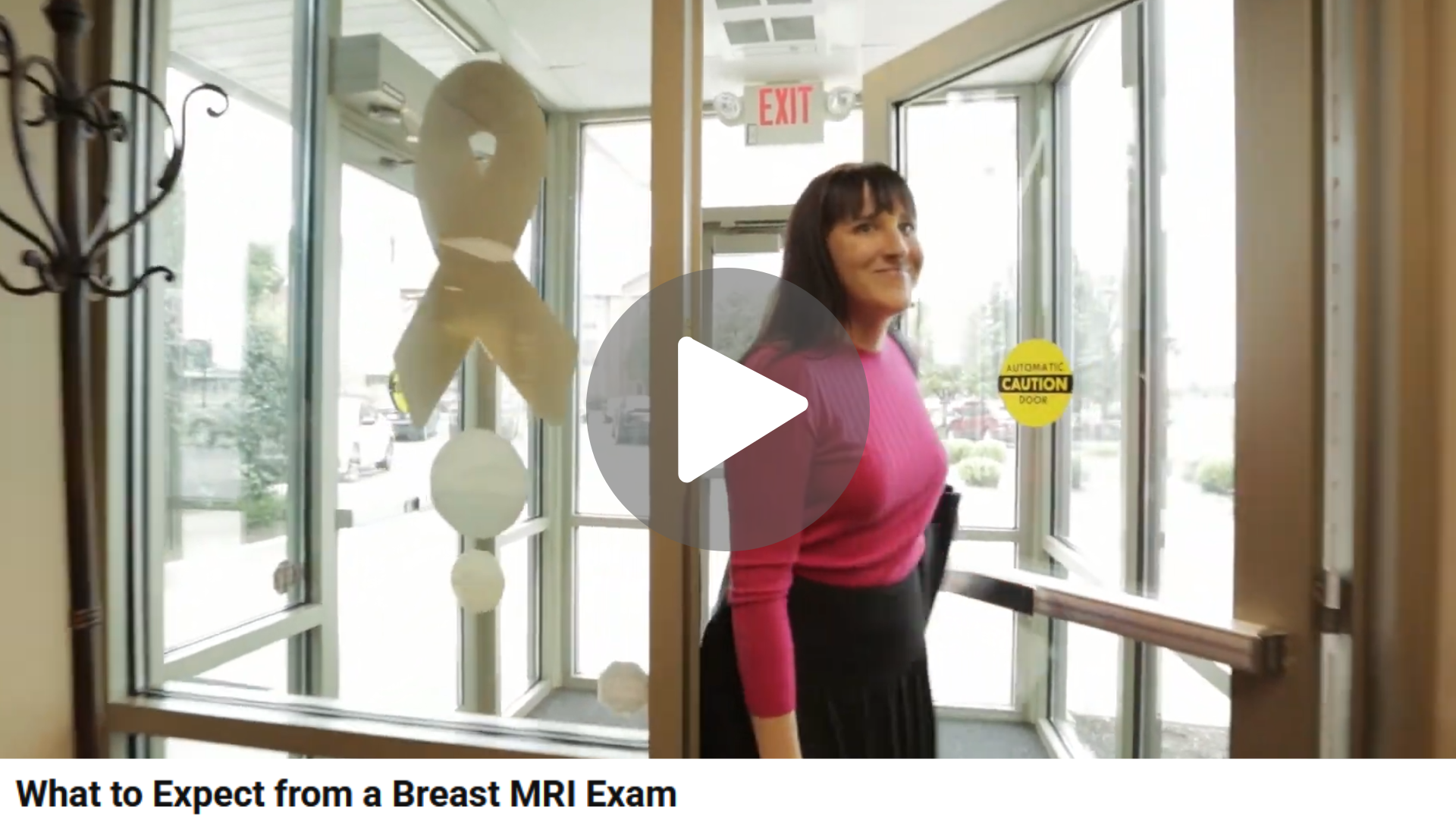
Over time, I increased what I could tolerate, pausing whenever my system said:
“That’s enough for now.”
Eventually I could watch the whole video. It took two weeks of almost daily viewing, starting with just a few seconds.
Medication on the Day of the Test
On the day of the MRI, I used two tablets of medication to support my nervous system as I went through the scan.
Afterward, I felt a genuine mixture of feelings:
“I really didn’t want to do this.”
And:
“I’m proud of myself for getting through it.”
I also felt loved and supported along the way.
The fear didn’t disappear.
But it became something I could work with rather than something to avoid.
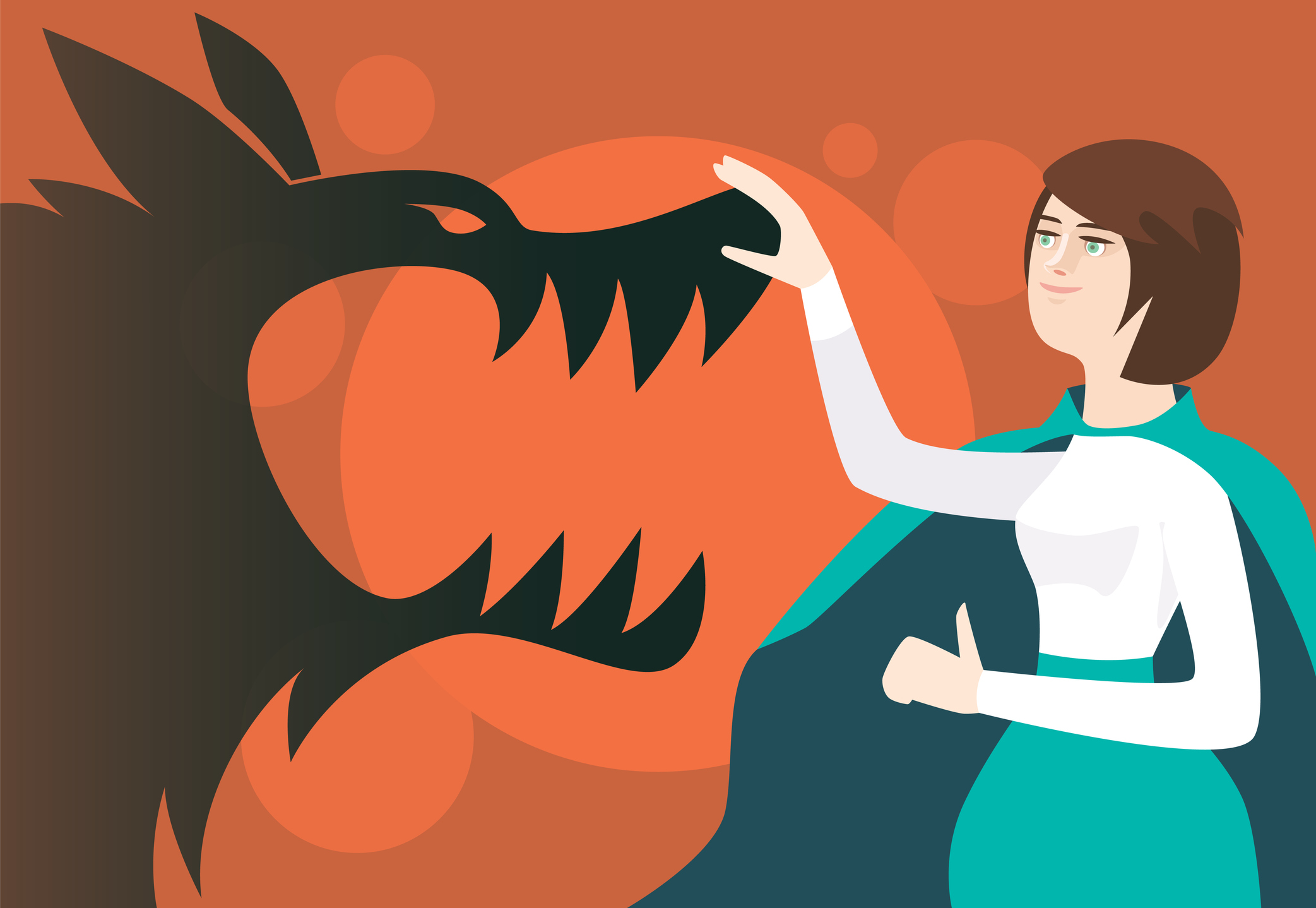
This is the path many of our tweens, teens, and young adults need.
Not:
“You must do the hardest version right now.”
Not:
“You never have to face this.”
But:
“We’ll find a small, tolerable entryway, and we’ll walk through it together.”
Lowering Demands vs. Lowering Life
For some young people—especially those with trauma histories or PDA traits—lowering demands is necessary and compassionate.
The nuance lives in three questions:
- Which demands consistently tip my tween, teen, or young adult into shutdown, panic, or rage?
- Which demands are uncomfortable but potentially growth-building?
- What’s our plan for reintroducing certain demands as skills and safety grow?
If almost every demand is removed—
No shared meals.
No participation in family responsibilities.
No expectations for communication with school, college, or work.
No small, supported steps into the world.
Then life doesn’t just feel safer.
It often stalls.
What I see clinically is this:
Less contact with manageable stress.
More comparison that fuels low self-esteem:
“Everyone else is doing more than I am.”
And a slow erosion of self-trust.
Surgical lowering of demands protects nervous systems and opens room for healing.
All-or-nothing removal of demands can protect in the short term while strengthening avoidance in the long term.
Finding the Middle Path
This is the tension so many parents are living in.
We don’t want to overwhelm nervous systems that are already carrying so much.
But we also don’t want avoidance to become the prison guard of our children’s lives.
The work isn’t choosing between compassion and growth.
It’s learning how to dance with both.
It’s asking:
- Which demands truly need to come down?
- Which ones help build confidence?
- Where can we find one small, supported entryway instead of another escape hatch?
Sometimes that entryway is watching an MRI video for a few seconds before turning it off. (Gulp!)
Sometimes it’s becoming the family’s air-quality monitor instead of canceling the trip.
Sometimes it’s returning to one family dinner a week before trying for more.
Small steps. 1% wins.
A belief that growth is possible, one tiny step at a time.
That’s how confidence is built.
Not all at once.
One tolerable challenge at a time.
If This Feels Like Your Situation…
If you’re trying to support a tween, teen, or young adult who is anxious, burned out, overwhelmed, or becoming increasingly avoidant, we still have a few spots remaining in our small-group coaching program:
The Emotional Lives of Uniquely Bright Tweens, Teens & Young Adults
Navigating Anxiety, Trauma, Nervous Systems Under Threat & Supported Independence
A 6-Week Parent Education & Coaching Program with Debbie Steinberg Kuntz, LMFT, and Lauren Hutchinson, LMFT.
Together, we’ll explore how to support real nervous-system needs without quietly allowing anxiety and avoidance to shrink your young person’s world.
We’ll look at how to decide:
Which demands to lower.
Which supports to keep.
Which skills and responsibilities to gradually return.
And how to move toward supported independence without losing compassion for what your tween, teen, or young adult is carrying.
If this feels like your situation, we’d love to have you join us.
Learn more and reserve your spot here.
Your friend in the dance with fear and bravery,
Debbie
Subscribe to the Newsletter
Want more Uniquely Bright content?
Get the newsletter delivered to your inbox every week.