Subscribe to the Self-Scientist Newsletter
Uniquely Bright content directly to your inbox.

Issue #033: The School Spiral Pattern
For my neurodivergent clients, the school year often starts off well.
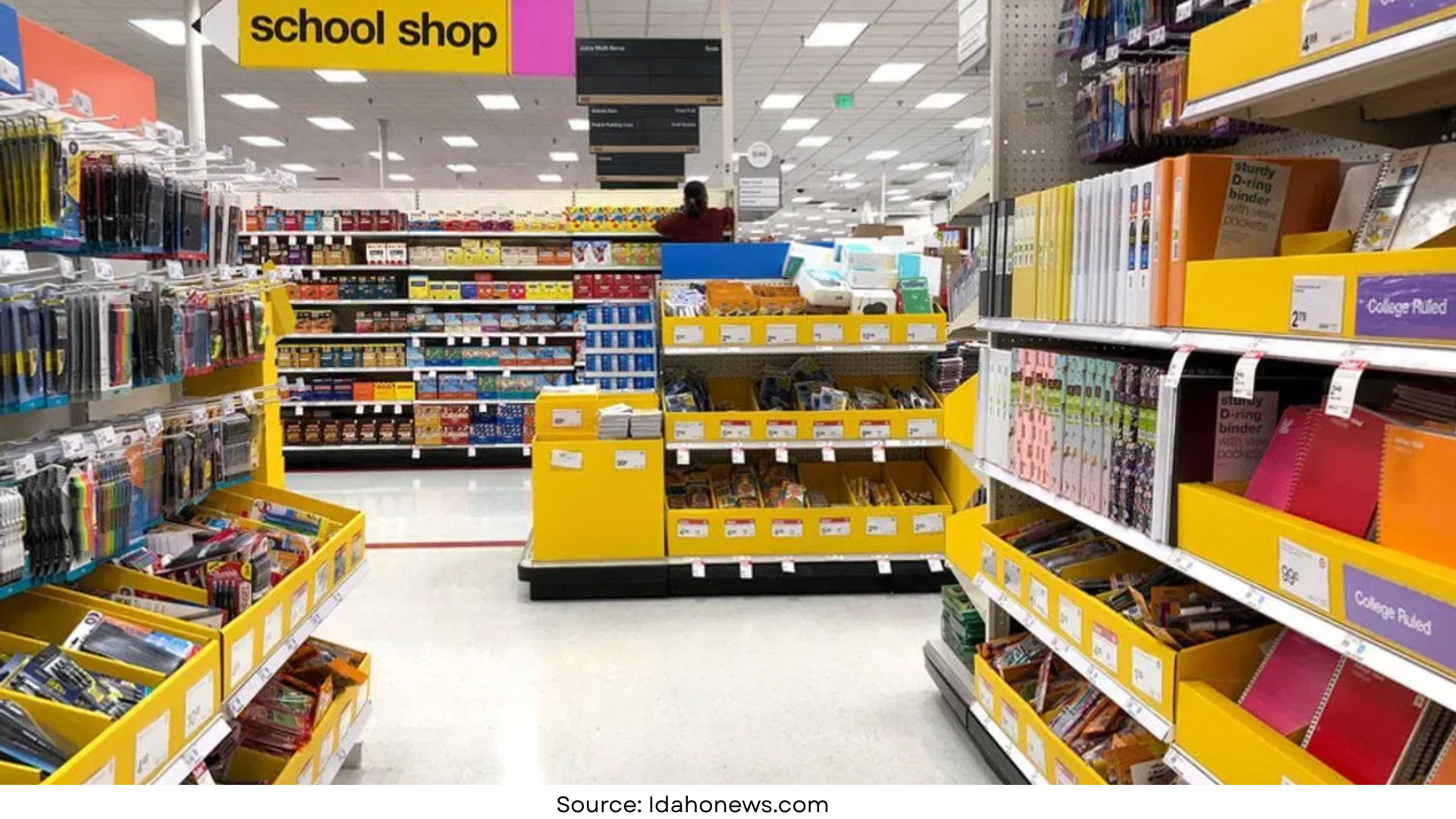
There’s the excitement of getting fresh school supplies. Walking the aisles of Target looking at notebooks, backpacks, pens and erasers is almost an annual rite of passage.
Parents feel pleased about the new lunchbox and water bottle that will keep their kids well-nourished and hydrated.
Then school starts.
If you’re lucky, you’ve engaged some ADHD tips, like getting color-coded notebooks and folders for each subject.
Or maybe you’ve helped your child figure out a system for keeping track of assignments across Google Classroom, Canvas, Schoology or whatever collection of portals their school uses.
The mantra in our house was, “If the homework isn’t in the folder, and the folder isn’t in the backpack, then it isn’t done.” Or the online equivalent.
Maybe you’ve created a “launchpad” by the door to gather things family members will need for the next day—soccer ball, shin guards, permission slips, water bottles, etc.
Then Things Start to Slip
What I’ve heard from many families over the years is that things start to slip almost imperceptibly.
An assignment or two are late.
The water bottle gets lost at school.

I had one beloved little client whose mom had to pick her up after school every day because she’d need to run around the school looking for wherever she may have left her water bottle that day.
You might have what I call an A’s and F’s kid—A’s on the assignments they actually turn in, and F’s on the ones they don’t.
It can look like a collection of little problems.
But often, they’re connected.
And that’s when the school spiral pattern starts to take off.
One Problem Starts Feeding the Next
Kids on ADHD meds often experience appetite loss as a side effect, so they barely eat during the school day.
They simply don’t feel hungry.
The ripple effect of not getting enough calories turns into lagging energy—heads on desks, zoning out, difficulty getting work done.
(Quick tip: Send them off in the morning with pocket snacks – nuts, string cheese or other things they can stuff in their hoody pocket and eat throughout the day.)
Then they come home starving and eat a huge dinner and often a huge before-bed snack.

Bedtime gets later. Social time online with friends and screens creep later into the night.
Then they have trouble waking up in the morning.
Now the sleep deprivation, appetite loss, low energy and executive function challenges turn into more missing assignments.
One small thing gets off, which knocks something else off, which makes something else harder.
And the spiral picks up speed.
Then Comes the Hail Mary
Suddenly, it’s a week or two before the end of the semester and what happens next is what executive function coach Seth Perler calls “Hail Mary” time:
A mad dash to do the missing assignments with the most points by midnight.
Emails to teachers to beg forgiveness and leniency for late turn-ins.
The shame of being in the Hail Mary Hole once again.
Or maybe your child hits what ADHD expert Brendan Mahan calls “The Wall of Awful” in his wonderful new book Overcoming the Wall of Awful —when layers of negative emotions and experiences build up and make it harder and harder to get started.
The frustration of parents stews and often comes to a boil..
And for some kids, the stress of the school spiral can eventually result in anxiety, shutdown or even depression.
Catch the Wobble Early
The trick is to catch the school spiral upstream.

Don’t wait for five missing assignments.
Watch for the small changes that tell you your child’s system is starting to wobble:
- Lunch starts coming home uneaten.
- Sleep starts shifting later.
- Mornings get harder.
- Assignments start trickling in late.
- Your child needs more and more recovery time after school.
And if your tween, teen or young adult says, “I’ve got this,” when you start to see the wobble?
Trust and verify.
You want to give them room to manage their own life without waiting until they’re in a hole to discover that their system isn’t working.
Three Ways to Trust and Verify
1.Ask what their plan is.
Instead of jumping in with your solution, ask: “What’s your plan for getting caught up?” or “What do you think would help here?
2. Agree on how you’ll know if the plan is working.
Maybe you’ll look at the school portal together on Sunday. Maybe they’ll show you that the missing assignments have been submitted. Maybe you agree to check back in three days
3. Pay attention to what happens next.
If the plan is working, great. Step back. If it isn’t, that’s information. Your child may need more scaffolding, a different strategy or some help figuring out what’s getting in the way.
The goal isn’t to hover.
Or to let your own anxiety take over.
It’s to give your child as much independence as they can successfully handle, while catching the wobble before it turns into a Hail Mary.
You Don’t Have to Figure This Out Alone
This is exactly the kind of thing we’ll be focusing on this year in Uniquely Bright Parent Coaching.
Join me and our coaches for small-group coaching for parents of bright, neurodivergent tweens, teens and college-age kids.
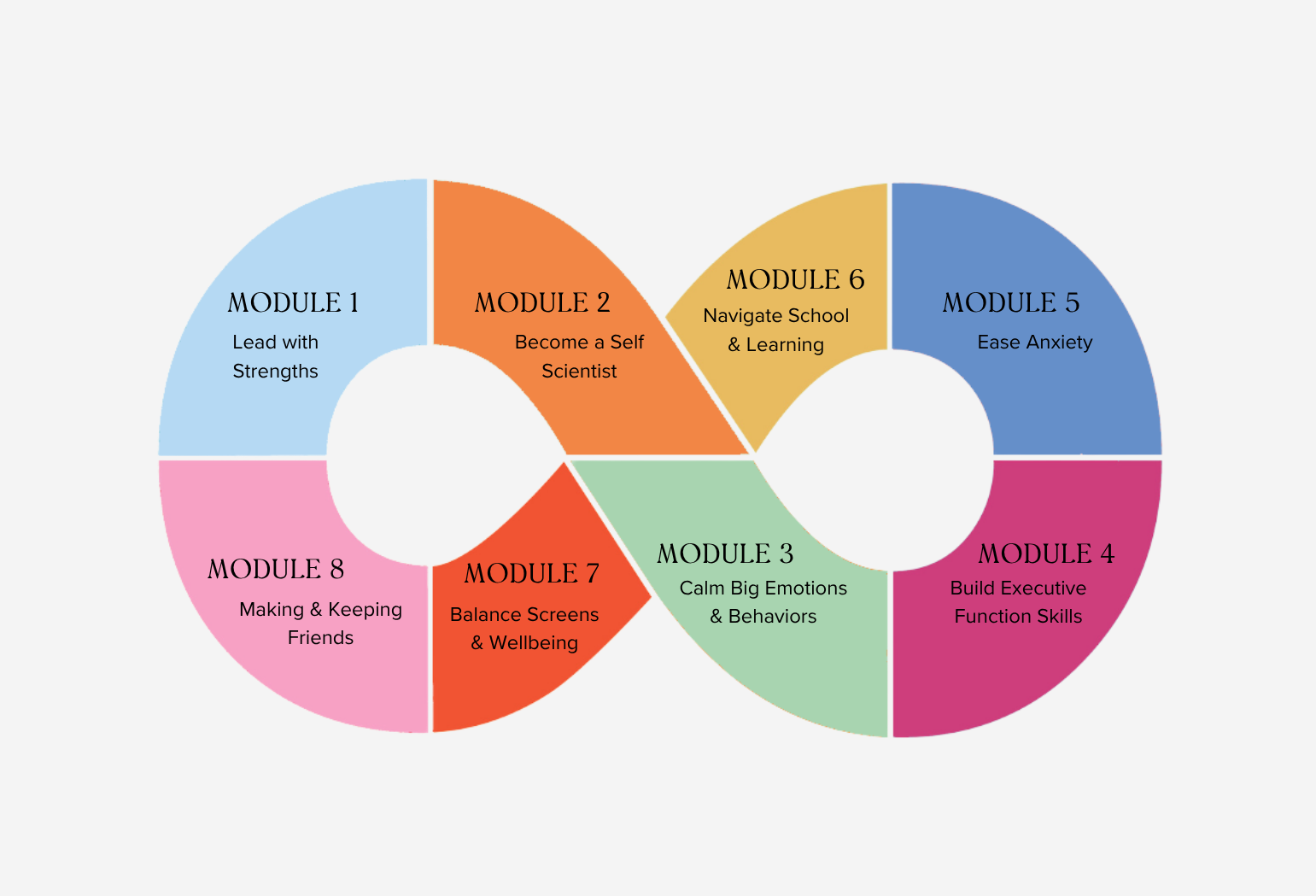
We’ll meet for 8 weeks this fall and be your guide and safety net—helping you catch problems earlier, figure out what’s really going on, and learn how to calibrate support without either overfunctioning or under-supporting.
We’ll help you make sound decisions about when to step in, when to step back, and what your child needs from you.
For details on Uniquely Bright Parent Coaching, click here.
Let’s disrupt the school spiral pattern and help your child have their best school year yet.
Subscribe to the Newsletter
Want more Uniquely Bright content?
Get the newsletter delivered to your inbox every week.