Subscribe to the Self-Scientist Newsletter
Uniquely Bright content directly to your inbox.

Issue #029: Two Buckets of Stress
One of the most stress-inducing things you can hear from a doctor is, “You need to lower your stress.”
Why? Many bright, neurodivergent adults and parents hear those words and think:
“Tell me which part of my life you’d like me to remove.”
The demanding job?
The caregiving my family needs?
My child’s appointments?
My own health?
My own neurodivergent brain?
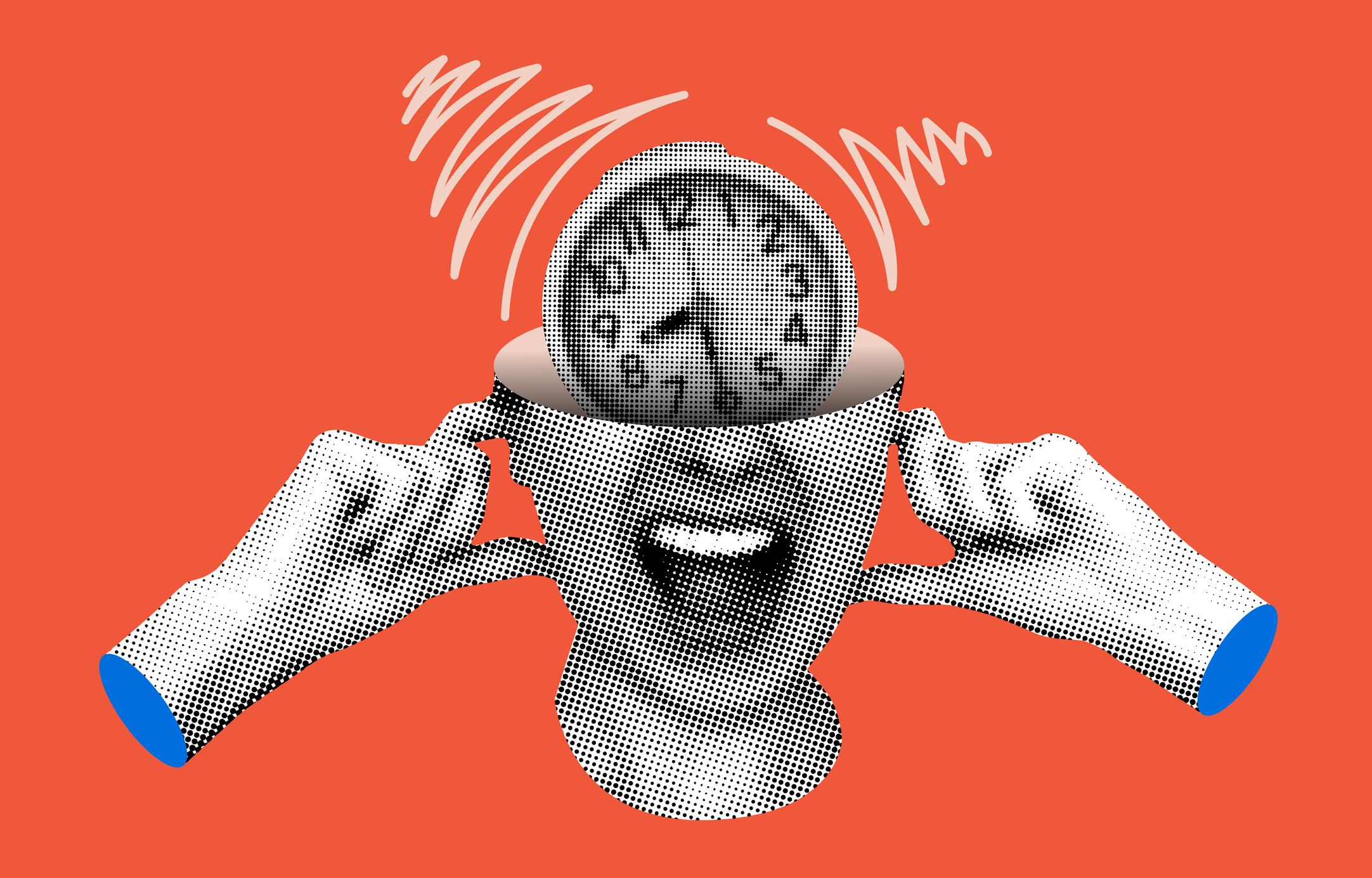
Lately, I’ve been thinking a lot about what it means to “lower stress” during a season when life demands a lot of me.
You may recall:
A person close to me that almost took their life, which I wrote about in Issue #004: Co-Thinking in a Crisis.
My dog passing away, detailed in Issue #007: My Dog, the Supermodel.
My mom passing away, mentioned in Issue #011: Feeling Deeply, Undeniably Alive.
A friend recently laughed and said, “Debbie, your life in 2026 sounds like a country song.”
Honestly… they’re not wrong.
The truth is, I’m glad I was able to show up for these loved ones and support them the way they deserved to be supported.
Like many of you, I’ve caught myself wondering: Do I need to completely rethink my work with life doing so much life-ing?
Or do I simply need better boundaries and a different way of approaching it?
From where I sit as a therapist, I hear people carrying lives that ask an extraordinary amount of their nervous systems.
What I’m Hearing
Here are just a few of the conversations I’ve been having lately.
“This isn’t regular tiredness anymore. I’m exhausted, numb, overstimulated—and somehow still expected to perform at a high level every day.”
“My doctor says I need to lower my stress, but the stress ismy job, my neurodivergent kids, and my own brain. None of those are optional.”
“People keep telling me to practice more self-care, but what I really need is help figuring out how to live a life that’s already overloaded.”
They’re people whose nervous systems have been carrying a heavy load for a very long time.
Why It Hits So Hard
Autistic and ADHD adults often begin with nervous systems that are already working harder to process the world.
Many experience heightened sensory input, greater cognitive load, more effortful social interactions, and years of masking to meet expectations.
Add high-pressure work, caregiving, endless logistics, and the ordinary demands of adult life, and the nervous system may spend much of the day preparing for the next demand before the current one has even ended.
No wonder so many people describe feeling perpetually burned out.
The Two Buckets of Stress
One idea I keep coming back to is that not all stress deserves the same strategy.
Some stress calls for acceptance.
The work that pays the bills.
The caregiving your family genuinely needs.
Health issues, treatment, and life’s unavoidable logistics.
Fighting these realities often adds another layer of stress.
And then there’s another bucket.
Stress that calls for change.
Feeling like you have to answer every email immediately.
Being available all evening.
Perfectionism.
Over-functioning.
Ignoring sensory overload.
Never truly stepping away from work.
This is often where healthier boundaries can make a meaningful difference.
Work Stress Is Real Stress
For many bright, neurodivergent adults, work isn’t simply where they earn a paycheck.
It’s where they manage constant interruptions.
Mask differences.
Navigate complex social dynamics.
Meet high expectations.
Carry the unspoken role of being the capable one—the person who can always handle a little more.
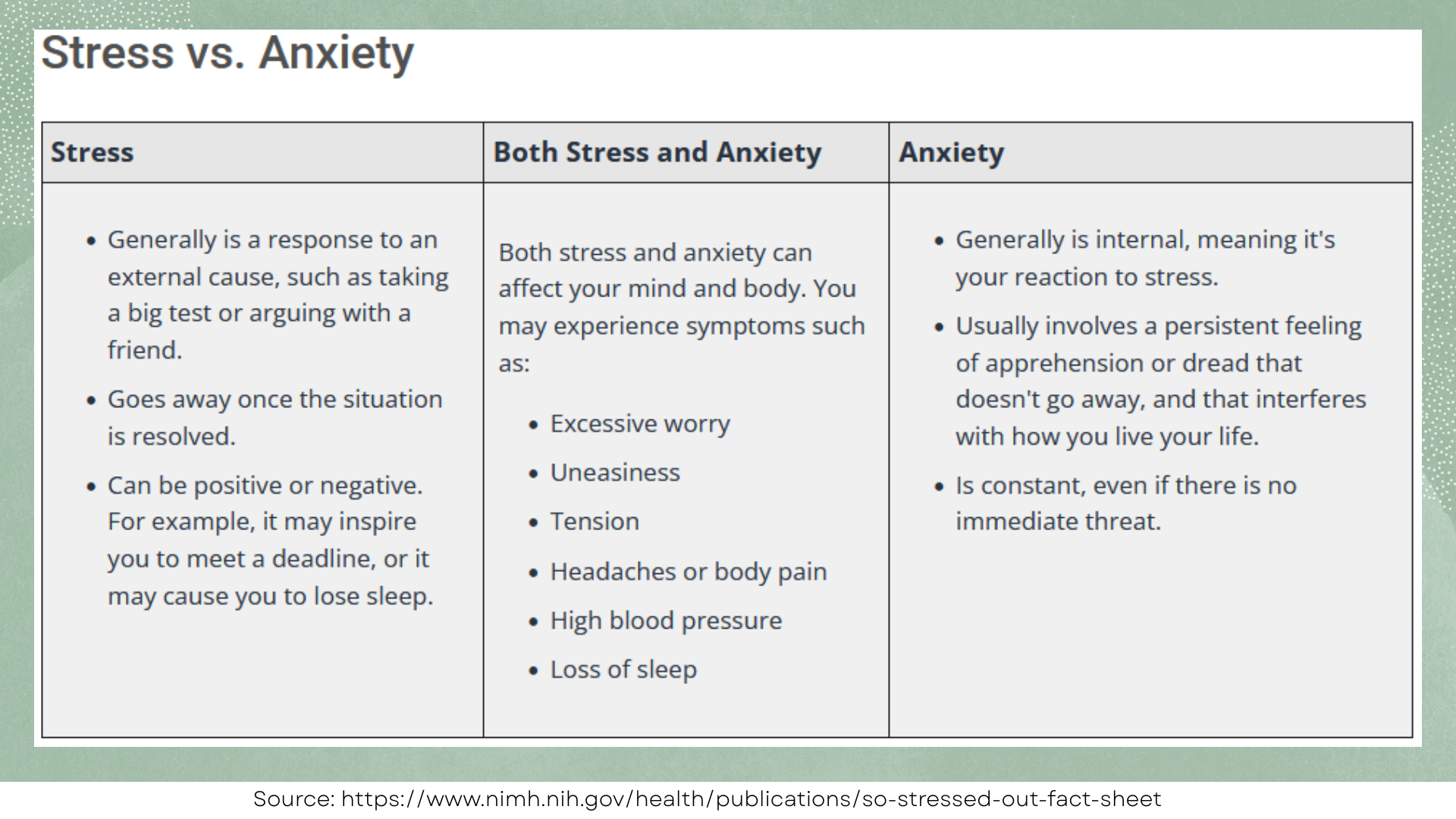
So when someone says, “Just lower your stress,” it can feel like a rule that doesn’t apply to you.
A Different Goal
Instead of trying to lower all your stress, what if you simply chose one source of stress you could reduce?
Your nervous system notices the difference between being on high alert and feeling safe.
Maybe that’s protecting dinner from work email.
Maybe it’s taking five quiet minutes before walking into the house after work.
Maybe it’s finally buying the noise-canceling headphones you’ve been telling yourself you don’t really need.
Small changes don’t erase difficult seasons.
But they can teach your brain and body that not every moment requires the same level of vigilance.
Create more opportunities for your nervous system to recover.
Less Stress with Cleaner Boundaries
Hit reply and tell me your three biggest stressors right now. Which ones call for acceptance? Which ones call for change?
For each one, what’s one small boundary, or one small moment of nervous system recovery, you could create this week?
Examples I remember well…
When my kids were in high school they would invariably procrastinate on assignments and go into a flurry or emergency activity before the deadline.
I set a boundary – “I’m available until 8pm to help. After that, my brain turns to mush and you’re on your own.”
It worked. I got more sleep and they learned when to ask.
Another boundary flavor (we lived about a mile from school) – “If you miss the bus, I’ll drive you to school once a week. Otherwise, you need to walk, run, or bike, even if it’s raining.”
One of my kids said that’s the best boundary they ever had.
Cleaner boundaries help to ensure other people’s stressors are not always yours.
Subscribe to the Newsletter
Want more Uniquely Bright content?
Get the newsletter delivered to your inbox every week.