Subscribe to the Self-Scientist Newsletter
Uniquely Bright content directly to your inbox.

Issue #032: Did My Young Adult Just Fire Me?
“You’ve been great and helped me a lot, but I just want to learn from life right now.”
That’s what my young adult child recently told me.
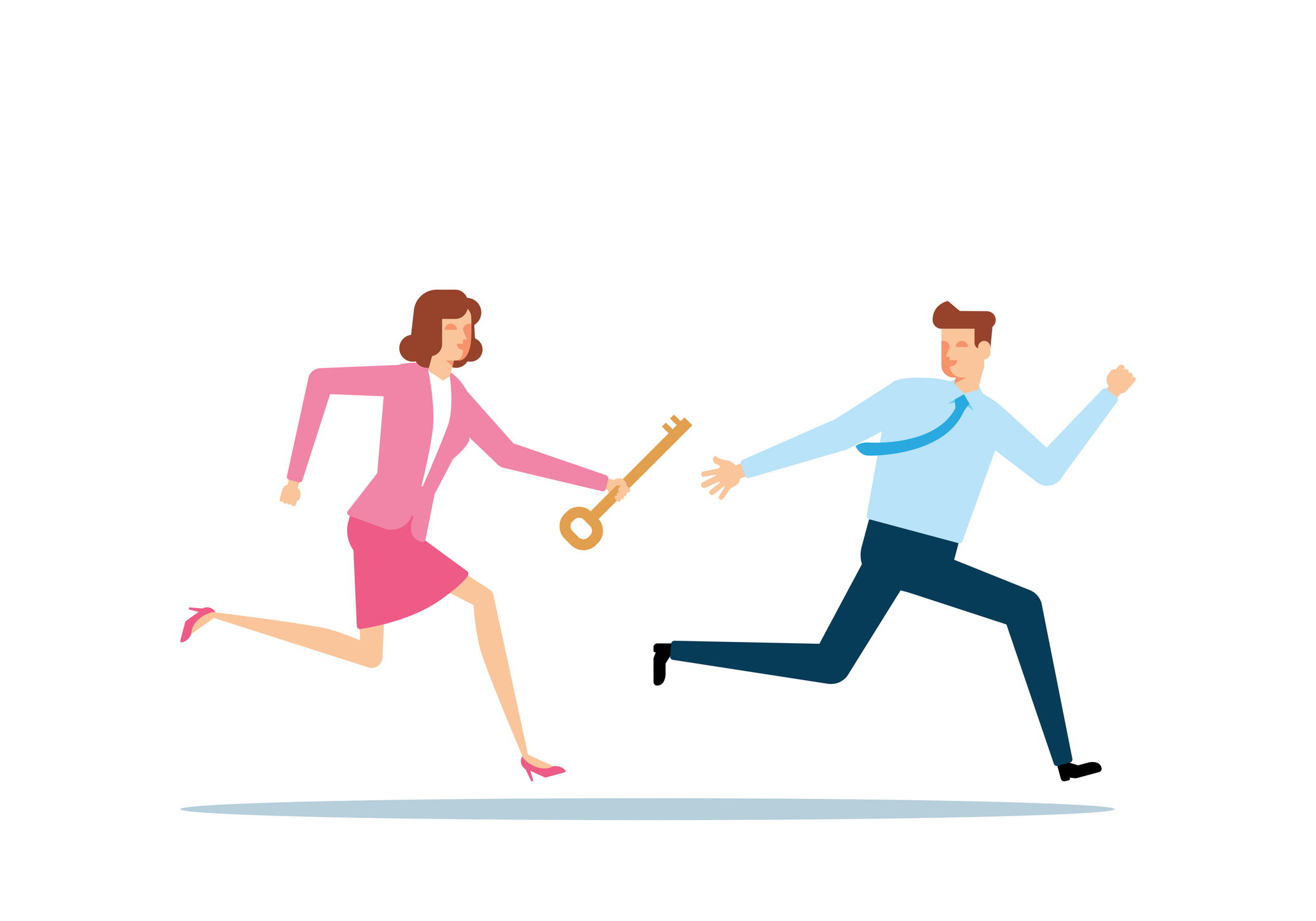
As many parents of kids with ADHD know, our role is multi-faceted over the years –
We’re alternately the cheerleader, the reminder, the what’s-your-plan? person, the oh-there’s-nothing-in-your-apartment-fridge?-let’s-talk-through-an-Instacart-grocery-delivery person (which, for the record, this Jewish mother has only done twice ; ).
I talked about this in newsletter #027: Supported Independence.
My young adult continued, “I really appreciate all the help you’ve given me, and now I have my own style..”
They’d been living their own life and making their own decisions for years. This was something subtler – they were ready for less input from me.
Were they firing me?
Promoting me out of worrying about them?
We had been on different pages about a few things, like…
- what kind of health-related things to do on your own vs involving professional expertise
- what kind of decisions need to be made in an informed vs an off-the-cuff way
- when and how to balance practical responsibilities with the things you love
Putting on my therapist hat, they set a clean boundary. Individuation.
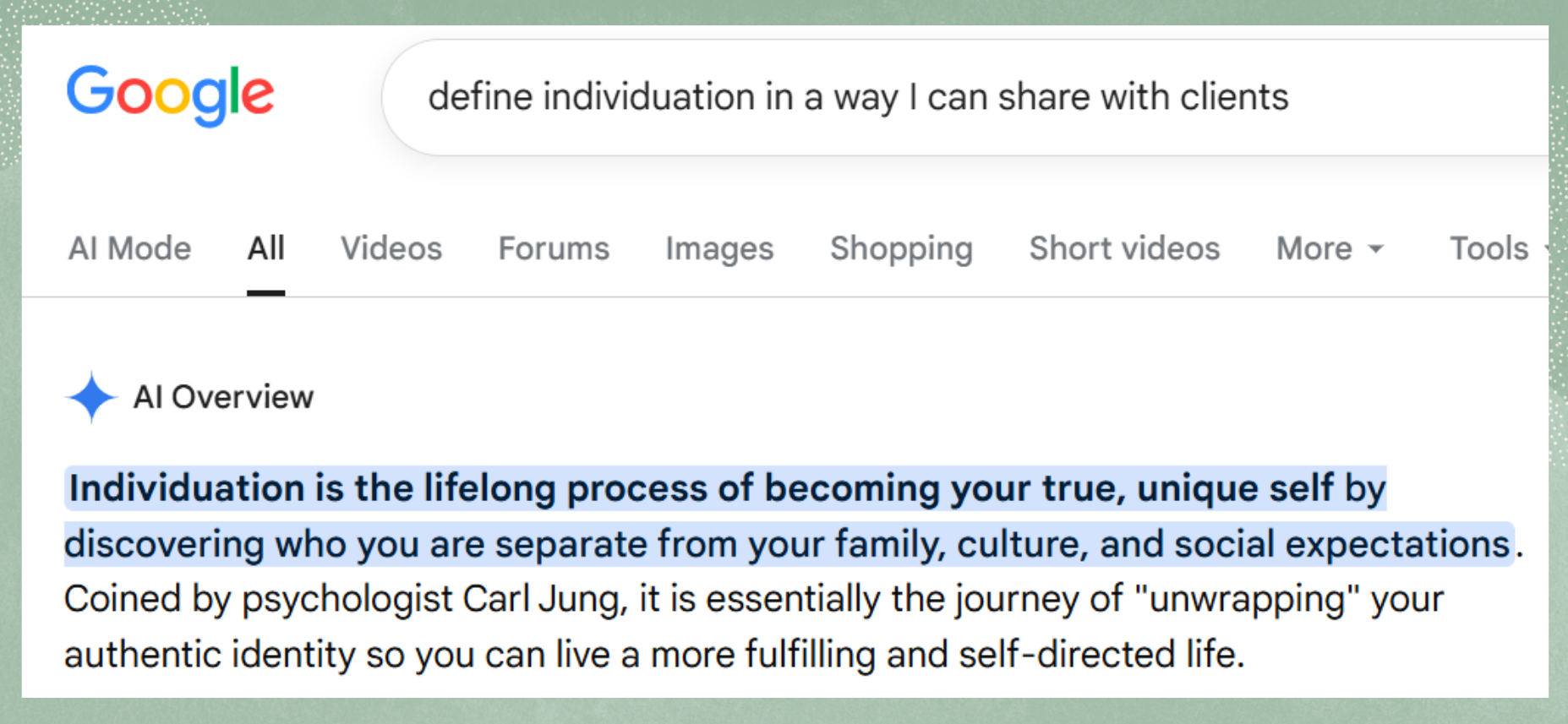
They’re saying – I’ve got this, mom, even when I sometimes don’t.
It’s healthy and I’m thrilled (and available in the wings just in case ; )
The goal of all this helping is eventually to become less necessary.
The thing is, this “I’m ready to learn from life” statement stands on a mountain of learning they did all while growing up.
My kids were the chief muses for the Self Scientist framework I developed, that we lived and breathed for at least a decade.
Here’s the thing. After counseling or coaching thousands of families over the last 15 years, we don’t know what’s going to work for each child, and align with their unique wiring, to support the bright shiny spots and shore up challenges, unless we run experiments.
An experiment can be virtually anything, and I have a few choice favorites, like setting up a launchpad spot by the door to have all items ready for the day the night before.
Or a medication trial.
Or making at least one friend and a spare through a group that aligns with their gifts and talents.
Or acceleration of coursework in their areas of strength, or a tutor or 1:1 learning to stay on track in less preferred subjects..
Most of all in this day and age, it’s running experiments and enjoying small and large wins in the area of mental health – to enjoy strong friendships and not fall into thinking traps [see newsletter #024: 10 Thinking Traps that Fuel Stress] or self-loathing, or a why-bother attitude when they get so many criticisms over time.
The bottom line:
We experiment to find out what works.
Then we do more of what works and less of what doesn’t work.
Being a Self Scientist is an approach to life, and it works.
That way when you try something, it isn’t a failure. It’s one experiment closer to the good-fit answer.
We talk about giving bright, neurodivergent kids the ‘gift of time’. They often learn things either faster or slower than their same-age peers.
In many ways my child was articulating their truth — I’m ready to run my own experiments. I’ll let you know if I need backup.
And that feels especially poignant as we head into September.
The start of a new school year or new job is a natural opportunity to take stock.
What worked last year?
What didn’t?
Where are we working really hard without getting much traction?
And what might be worth trying differently?
I don’t want you, dear parent, working really hard on the things that aren’t going to pay off. Your life is busy and complicated enough.
We ran groups this summer, with parents navigating some complex situations, and one thing that stuck with me was the theme of parental guilt.
Am I doing enough?
Am I doing too little?
Am I hovering and doing too much?
Would we be in this situation if I had done something differently?
How do you help a teen or young adult make changes when they’re not motivated or interested?
The uniquely bright path is complex.
You don’t need any unnecessary rabbit holes.
If you’d like to learn the Self Scientist framework this fall, we’ll be forming small coaching groups.
If these thoughts have crossed your mind and you hope to be fired one day ; ) because they’ve got this, hit reply.
Tell me your child’s age and what you’re hoping will be different for them this school or work year.
Then I’ll give some thought to the best way to structure the groups. We may even design groups specifically for teens or young adults themselves.
Subscribe to the Newsletter
Want more Uniquely Bright content?
Get the newsletter delivered to your inbox every week.