
Posts by Debbie Steinberg, LMFT
Issue #028: The Avoidance Trap
Support can both protect and imprison the ones we love. Most parents of bright, anxious, neurodivergent tweens, teens, and young adults live somewhere inside that paradox. When our young people feel fearful or overwhelmed by a situation, our natural reaction is often to remove the stressor. We cancel the hard thing. We step in to…
Read MoreIssue #027: Supported Independence

When I wrote last week’s newsletter, When Does Helping Become Enabling, I wasn’t expecting what happened next. Many of you from around the world replied. You wrote from up and down the west coast, Colorado, New York, Georgia, and from much farther away—South Africa, Australia, the UK, and beyond. The details were different, but a…
Read MoreIssue #026: When Does Helping Become Enabling?

I’m just getting back from three wonderful days teaching university graduate students about the social and emotional lives of bright neurodivergent kids and families. As often happens when I teach, I came in with a lesson plan. But some of the most interesting moments weren’t in the slides. They came from the questions. A Quick…
Read MoreIssue #025: Know Someone Who Overthinks, Worries, or Spirals?

At times we all feel anxious or blue, and research shows that when mood dips or stress is high, it’s common to spend more time in our heads. And that time in our heads is typically crowded with negative thoughts like: “I’m not up to the challenge.” “They don’t like me.” “Something bad is going…
Read MoreIssue #024: 10 Thinking Traps That Fuel Stress

Did you ever have a class in school, or in adulthood, on how to think? I never did. And I wish I had, because our minds can play some very convincing tricks on us. Most of us grow up learning what to think, like facts, formulas, dates, but almost no one teaches us how to…
Read MoreIssue #023: Raise Your Vagal Tone to Feel Less Stressed and Sleep Better

One of the most overlooked ways to improve stress, sleep, and resilience is by strengthening something called vagal tone. Most people have never heard of it. But it may help explain why some nervous systems struggle to fully power down and recover after stress. I’ve been a fan of Polyvagal Theory for years. Understanding the…
Read MoreIssue #022: 10 Signs You’re Lacking Meaning and Feeling Empty

I still remember my nerve-wracking first week of internship as a budding therapist in graduate school, now almost twenty years ago. I had spent two years learning counseling theory, and then suddenly I was sitting across from real families at a community mental health agency with real pain, trying to make sense of it all.…
Read MoreIssue #021: Negative thoughts? Use this menu…

Do you ever catch yourself having negative thoughts that seem to come out of nowhere? It’s like your brain is trying to make sense of something difficult or confusing, and it quickly fills in the blanks, often with a negative conclusion. It might sound like: “I should be further along.” “Maybe I’m not doing this…
Read MoreIssue #020: An Intriguing Alternative in Mental Health
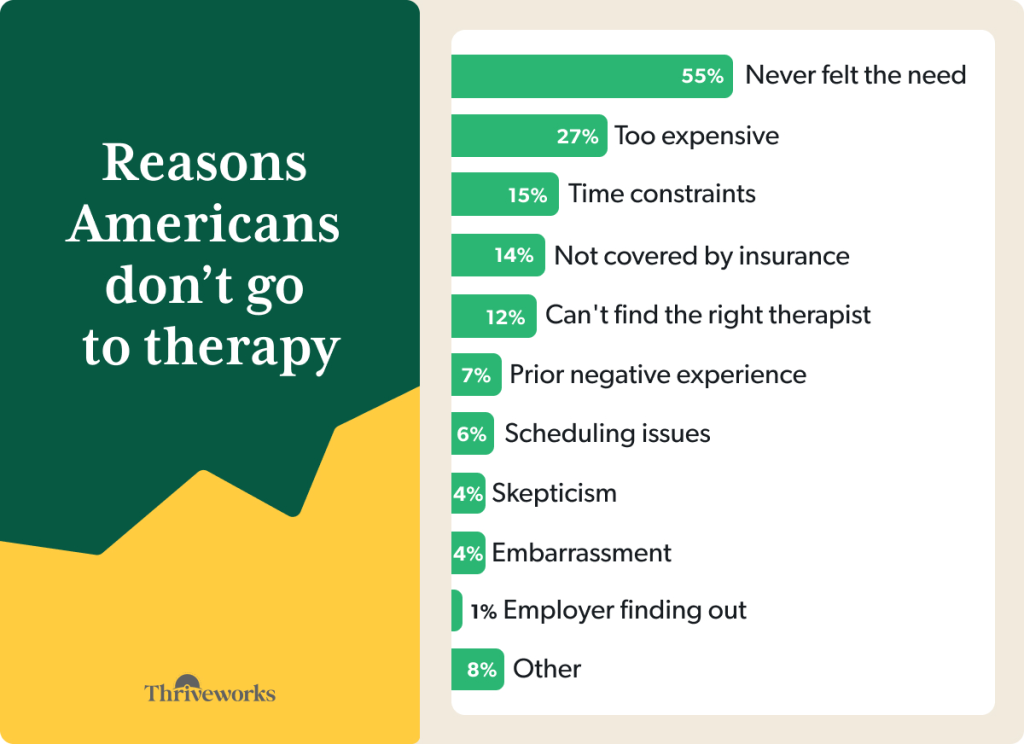
In my almost twenty years working as a licensed marriage and family therapist (LMFT), I’m working very differently now than I used to. I can positively impact more people in less time. That matters, because the current state of mental health support isn’t working as well as we need it to. The State of Mental…
Read MoreIssue #019: 10 Signs of Quiet Burnout

When most people think of burnout, they picture something big. Exhaustion you can’t hide. A breaking point. Stepping away completely. But the research on burnout, especially over the last few years, has made something clearer: There’s a quieter version. One where people are still functioning. Still showing up. Still doing what needs to be done.…
Read More